Thymosin beta-4 is an endogenous peptide present in most nucleated cells of the body, with the exception of erythrocytes. Composed of 43 amino acids and having a molecular weight of approximately 4.9 kDa, this peptide is widely studied for its involvement in cellular migration, differentiation, and survival. Its biological activity is largely attributed to its ability to bind monomeric G-actin, thereby influencing cytoskeletal organization and cell motility. Elevated concentrations of thymosin beta-4 have been observed at sites of tissue injury, where it is released by early-response cells such as platelets and macrophages during the initial stages of repair.
Due to its role in cell mobilization, angiogenic signaling, and tissue remodeling, thymosin beta-4 has been extensively investigated in both in vitro and in vivo research models. These studies include experimental models of ischemic cardiac injury, stroke, limb ischemia, liver fibrosis, and corneal damage. Research applications commonly utilize either chemically synthesized or recombinant forms of the peptide to explore its functional mechanisms.
In experimental mouse models involving coronary artery ligation, thymosin beta-4 has been shown to interact with signaling pathways involving Akt and integrin-linked kinase (ILK). These interactions have been associated with enhanced cardiomyocyte survival and migration, contributing to improved cardiac performance in ischemic models. Similar observations have been reported in embryonic and postnatal cardiac cells, where increased cellular viability and mobility were noted.
Additional in vitro research examining liver fibrosis models has explored the effects of externally supplied thymosin beta-4 on activated hepatic stellate cells. In these models, exogenous peptide exposure was associated with reduced proliferation of activated cells, suggesting a potential modulatory role in fibrotic processes. Notably, endogenous thymosin beta-4 appeared to exhibit differing activity, emphasizing the importance of continued research into dosage, delivery, and context-dependent effects.
Thymosin beta-4 has also been studied in corneal injury research, where it has demonstrated the ability to support epithelial cell migration and differentiation during wound repair. This area of investigation is particularly relevant due to the avascular nature of corneal tissue, which presents unique challenges for healing without scarring.
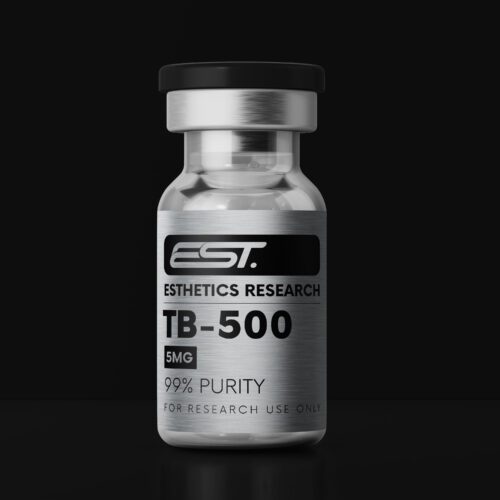
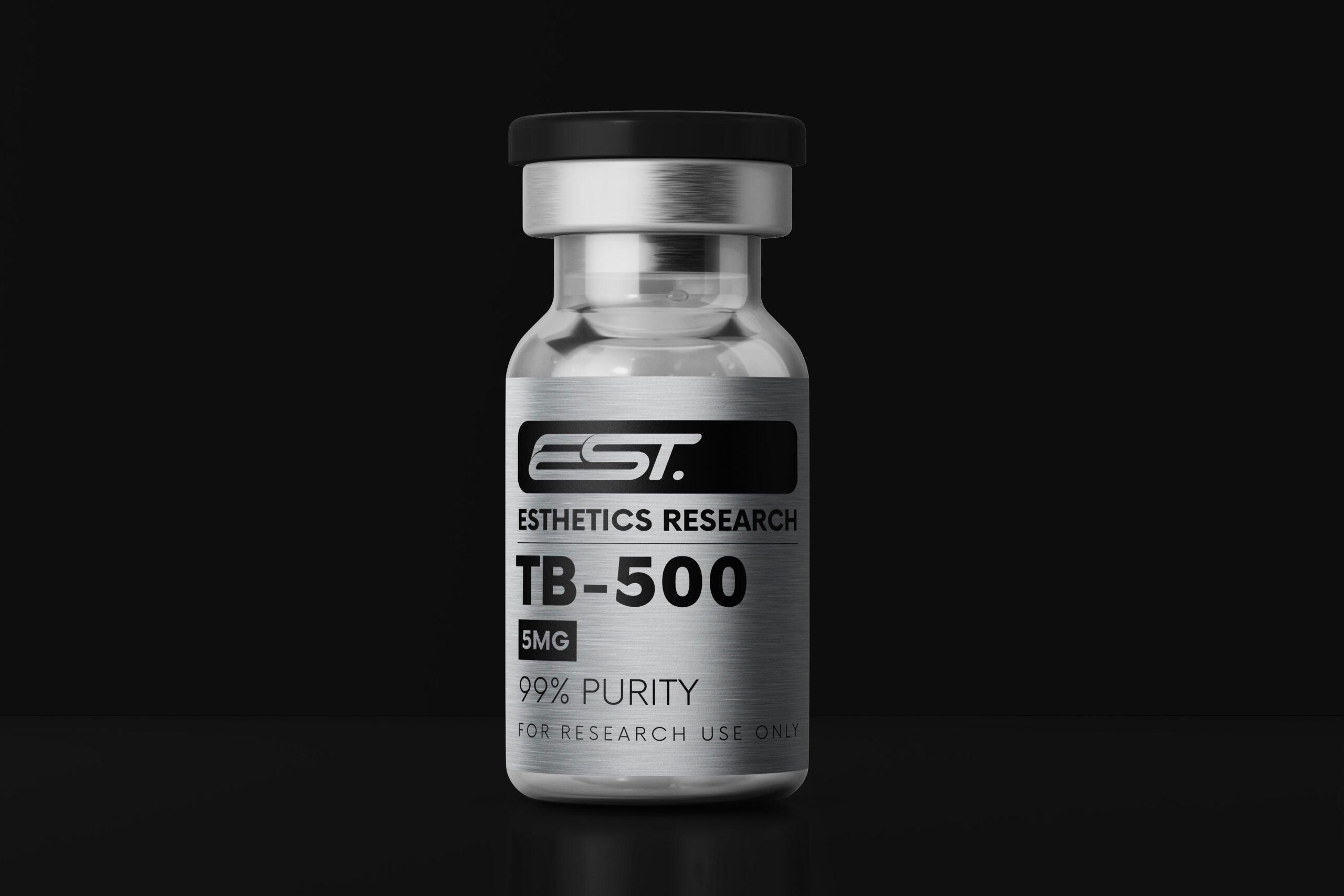
Commercially, thymosin beta-4 is typically supplied as a white, lyophilized powder and is commonly packaged in vials containing 5 mg of peptide for laboratory use.
TB-500 Research Focus Areas
- Investigated for its role in soft tissue and connective tissue repair models
- Studied in relation to muscle cell recovery and structural protein dynamics
- Explored in joint and cartilage research involving inflammatory signaling
- Examined for angiogenic activity and vascular growth pathways
- Utilized in wound-healing models involving cellular migration and tissue remodeling
- Studied for potential involvement in immune modulation and inflammatory response pathways
- Explored in neurological research models focused on cellular protection and repair
- Investigated for effects on tissue flexibility and extracellular matrix dynamics
Thymosin beta-4 (TB-500) is supplied for research use only and is not intended for human or animal consumption, clinical use, or diagnostic purposes.