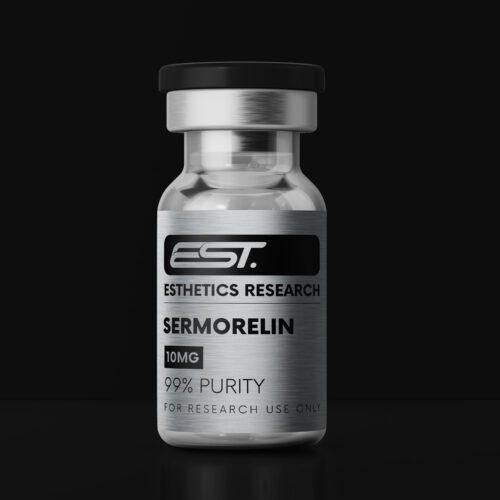
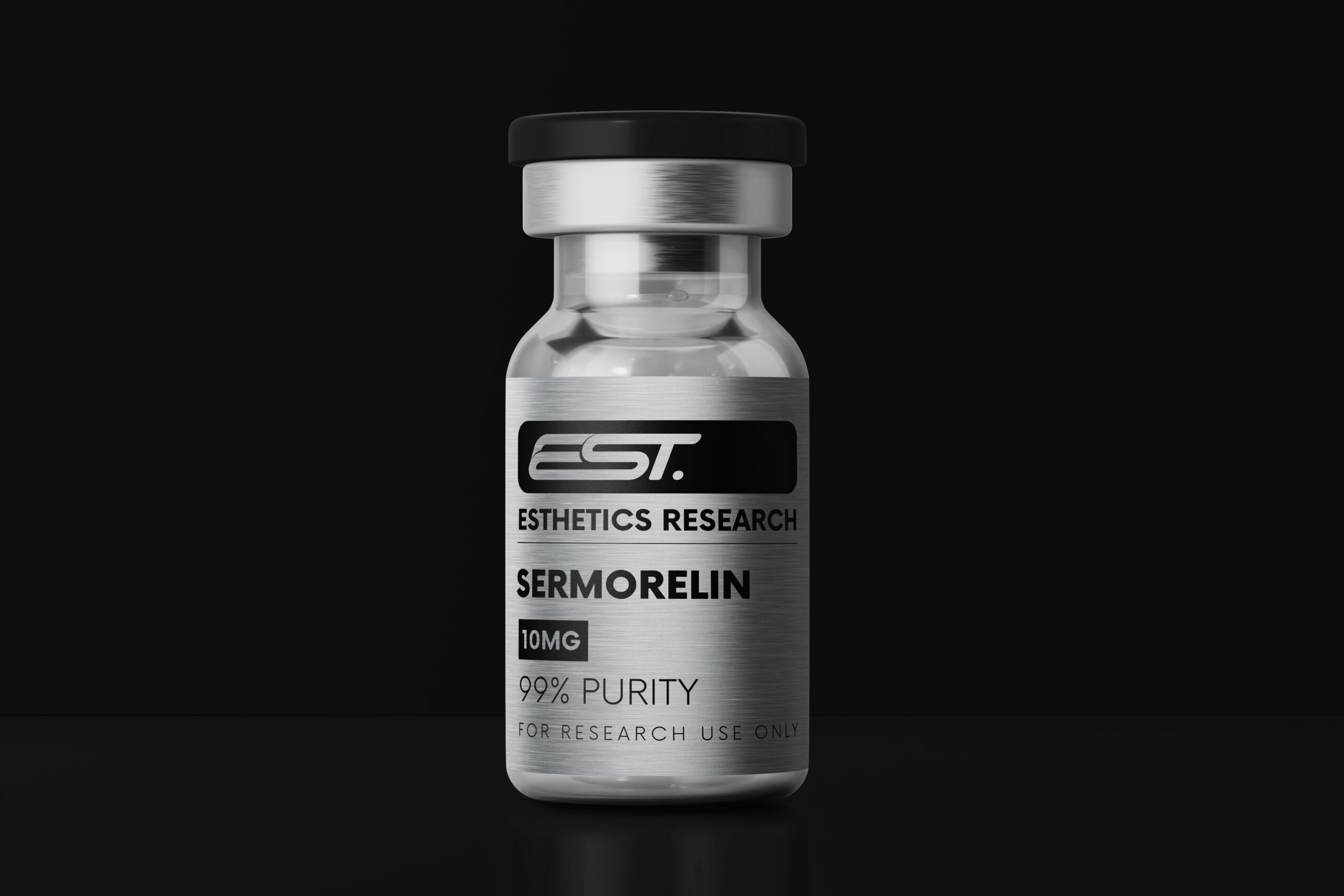
Sermorelin is a synthetic peptide analog of growth hormone-releasing hormone (GHRH), consisting of the first 29 amino acids of the naturally occurring hormone. With a molecular weight of approximately 3357.9 g/mol, sermorelin retains strong receptor activity and is widely used in both in vitro and in vivo research. It binds to the GHRH receptor with significantly higher affinity than the full-length hormone, activating the hypothalamic-pituitary-
In biological systems, GHRH naturally stimulates the anterior pituitary to release human growth hormone (HGH). Sermorelin mimics this effect by increasing HGH secretion and extending the duration of its release. Although sermorelin has a short half-life of around 12 minutes, it can trigger growth hormone release for up to two hours following administration. In rodent studies, intravenous sermorelin administration produced measurable increases in growth hormone levels shortly after dosing.
Research also indicates sermorelin may influence downstream metabolic pathways. It has been associated with increased IGF-1 levels, improved insulin sensitivity, and enhanced lean body composition in experimental models. Additionally, preclinical studies have explored its potential effects on cell cycle regulation, including findings that sermorelin may inhibit proliferation in certain glioma cell lines.
While sermorelin has been investigated for potential therapeutic uses, this product is not approved for medical treatment. It is manufactured and supplied for laboratory research purposes only and is not intended for human or animal consumption, clinical use, or diagnostic applications.