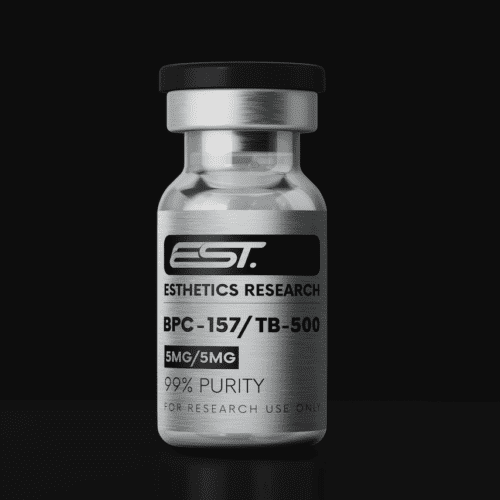
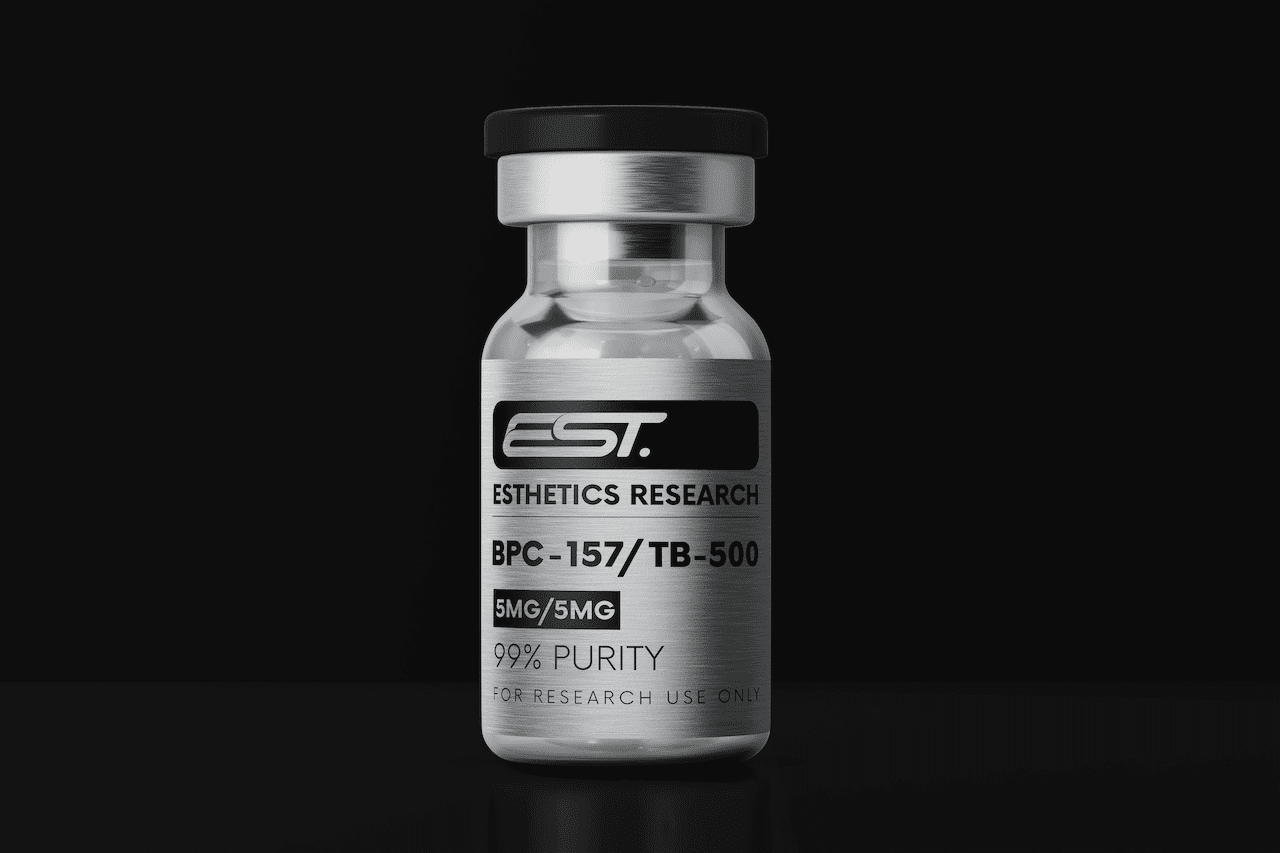
BPC-157 / TB-500 Blend is a combination of two synthetic peptides commonly used in laboratory research to study tissue repair mechanisms, cellular signaling pathways, and regenerative processes.
BPC-157 (Body Protection Compound-157) is a synthetic peptide derived from a protein fragment found in gastric juice. In experimental models, it has been investigated for its role in supporting cellular repair processes, angiogenesis (formation of new blood vessels), and modulation of inflammatory pathways. Researchers often study BPC-157 in laboratory settings to explore its potential influence on connective tissue, muscle cells, and gastrointestinal tissue models.
TB-500 is a synthetic research peptide that represents a fragment of the naturally occurring protein thymosin beta-4. In research environments, TB-500 has been studied for its involvement in cell migration, cytoskeletal organization, and tissue remodeling processes. It is commonly used in experimental models examining wound healing, cellular regeneration, and the movement and differentiation of cells during repair processes.
When combined in a blend for research purposes, BPC-157 and TB-500 are frequently used by researchers to investigate potential synergistic effects on cellular recovery pathways, angiogenesis, and structural tissue repair mechanisms. This peptide blend is typically utilized in controlled laboratory experiments to better understand how peptide signaling may influence regeneration and recovery at the cellular level.
For research use only. Not for human or veterinary use.