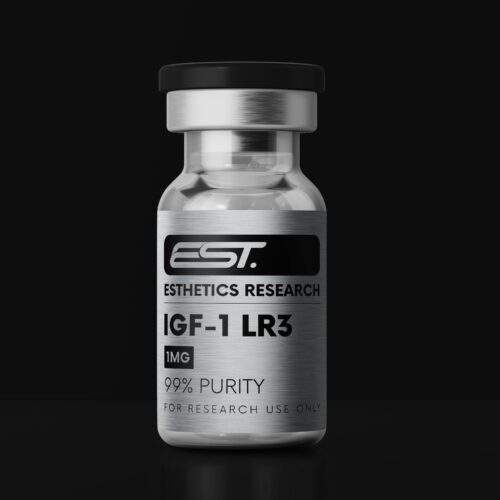
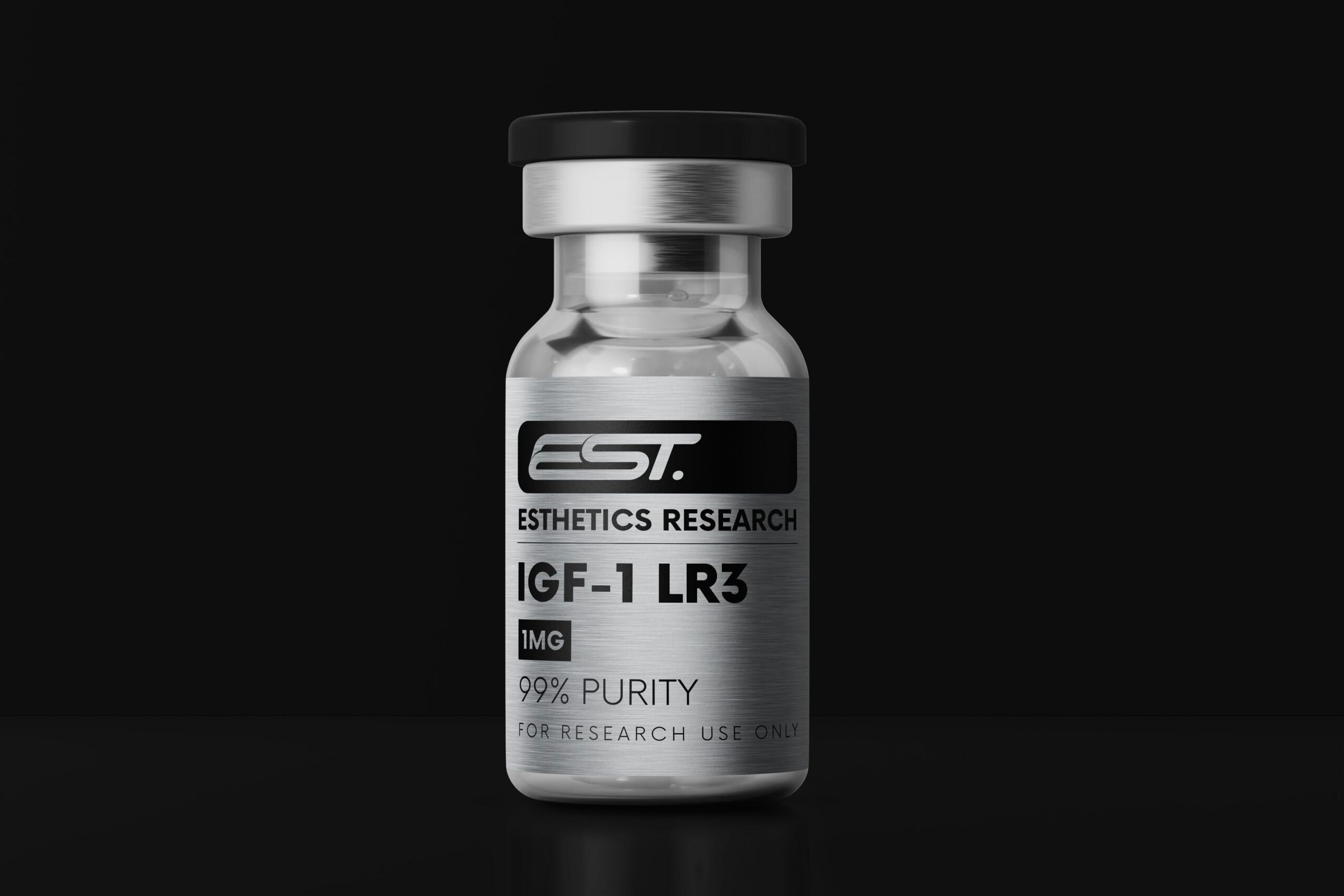
Like IGF-1, IGF-1 LR3 interacts with the IGF-1 receptor (IGF-1R) to activate growth-related signaling pathways. It is widely used in both in vitro and in vivo research as a robust alternative to IGF-1 because of its prolonged activity and strong receptor engagement. For example, studies in fetal muscle models and large-animal cardiac research have demonstrated IGF-1 LR3’s ability to promote cardiomyocyte proliferation and support cardiac blood flow. Additional preclinical work using muscle cell lines and tumor-bearing mouse models has explored its potential to counteract muscle wasting by activating PI3K/AKT signaling and inhibiting pathways associated with muscle breakdown, ultimately supporting protein synthesis.
IGF-1 LR3 is typically supplied as a white lyophilized powder, commonly packaged in 1 mg per vial format for laboratory use.
IGF-1 LR3 Research Highlights
- Muscle growth and hypertrophy: Studied for promoting muscle cell growth and lean mass in experimental models
- Metabolic regulation and fat breakdown: Investigated for effects on lipolysis and body composition
- Recovery and regeneration: Used in studies examining muscle repair, recovery time, and tissue regeneration
- Aging and longevity pathways: Explored for potential anti-aging effects in cellular models
- Bone and joint research: Evaluated for potential effects on bone density and joint health
- Neurological research: Examined for possible neuroprotective and cognitive-related outcomes
- Immune modulation: Investigated for its role in immune signaling and resilience
Important Notice: This product is intended for research use only and is not intended for human or animal consumption, clinical use, or diagnostic applications.